Shock and Vibration Control for Sheet Metal Processing Equipment
Equipment used in sheet metal processing — including cutting, forging, stamping and bending — such as presses, power hammers, shears and punching machines, can generate high-energy impacts and intense vibrations.
These dynamic loads are transmitted through the machine foundation and may propagate throughout the entire building structure.
Main Technical Challenges
The primary objective is to limit the transmission of impact loads (shock) and, secondly, to isolate the secondary vibrations induced in supporting structures as a response to impulsive excitation.
Uncontrolled shock and vibration can result in:
Deterioration of working conditions and operator comfort
Disturbance to nearby residential or office areas
Structural fatigue and reduction of building service life
Interference with sensitive testing and measurement operations
Effective vibration control is therefore essential to maintain structural integrity and operational efficiency.
Vibrostop Isolation Solutions
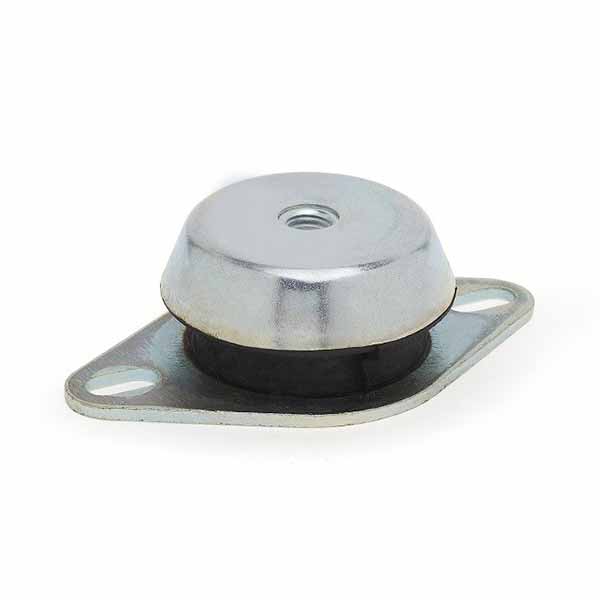
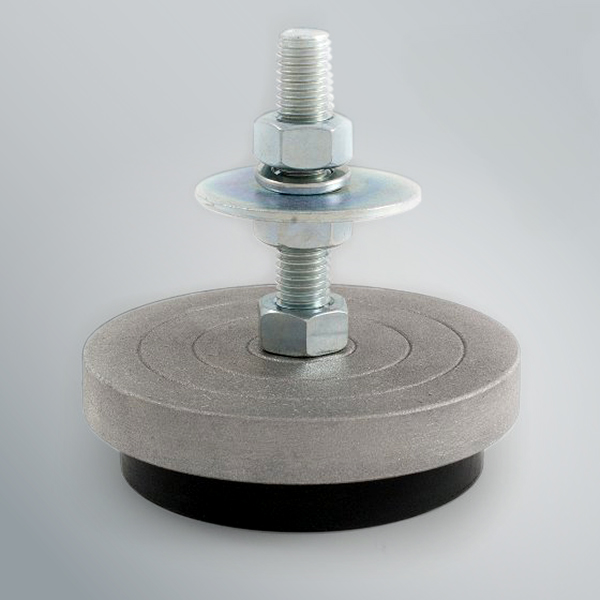
To mitigate these effects, machines should be installed on dedicated shock and vibration isolation systems.
Two main approaches can be adopted:
Direct Isolation
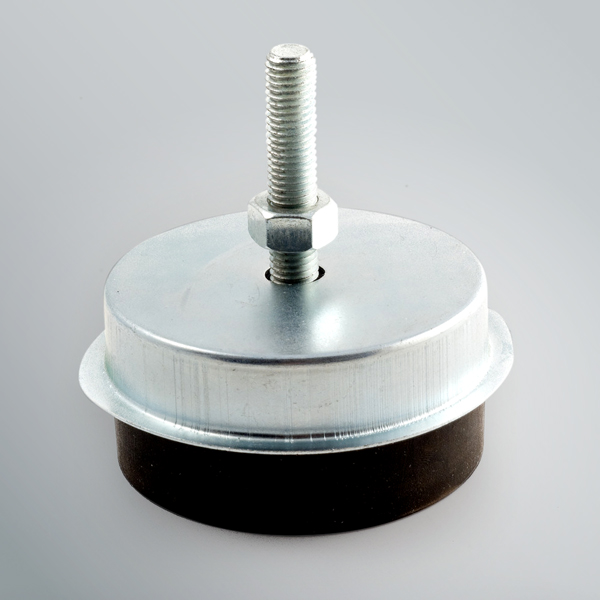
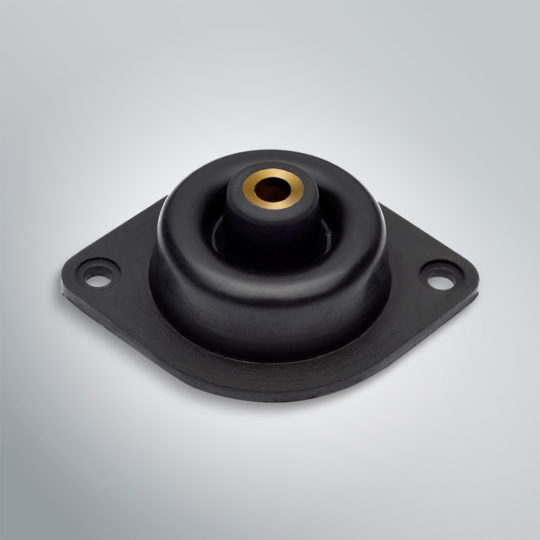
Machines can be mounted directly on anti-vibration and shock-proof supports.
Inertia Foundation System
For high-energy impact applications, improved performance can be achieved by installing the machine on an inertia block, which is in turn supported by anti-vibration mounts. This solution increases the suspended mass and enhances shock attenuation.
Recommended Vibrostop Products
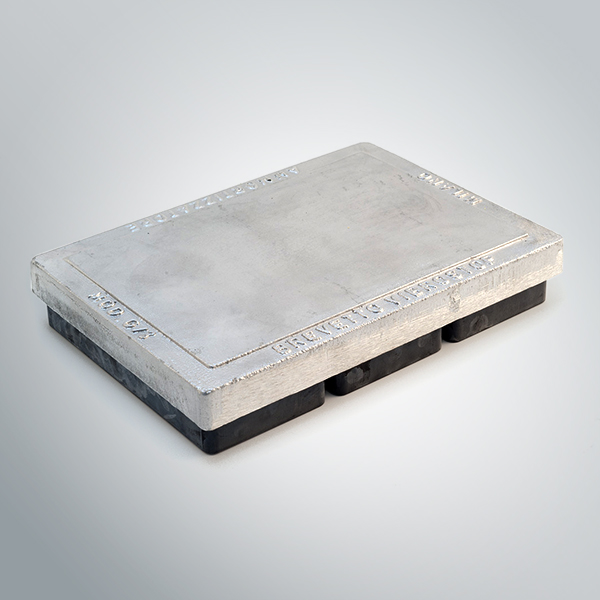
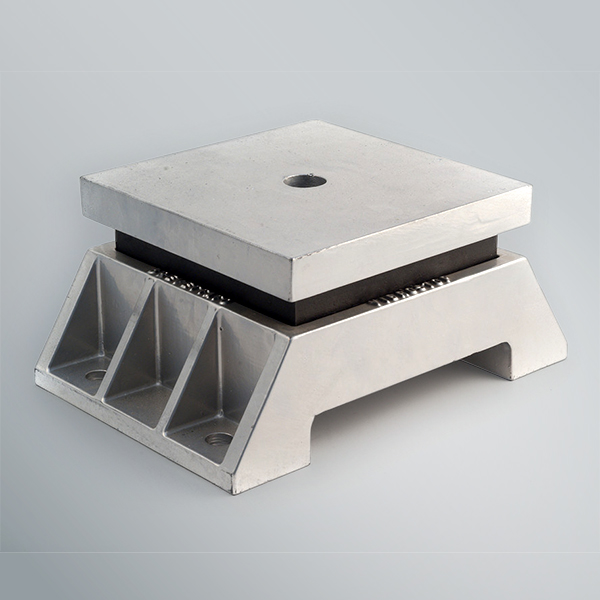
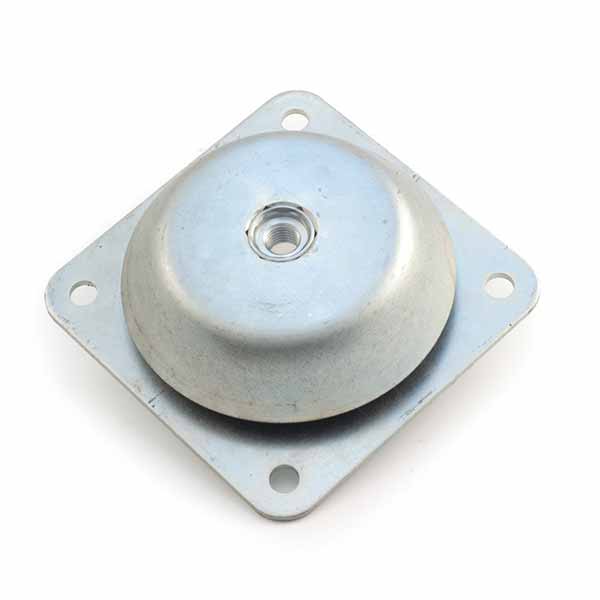
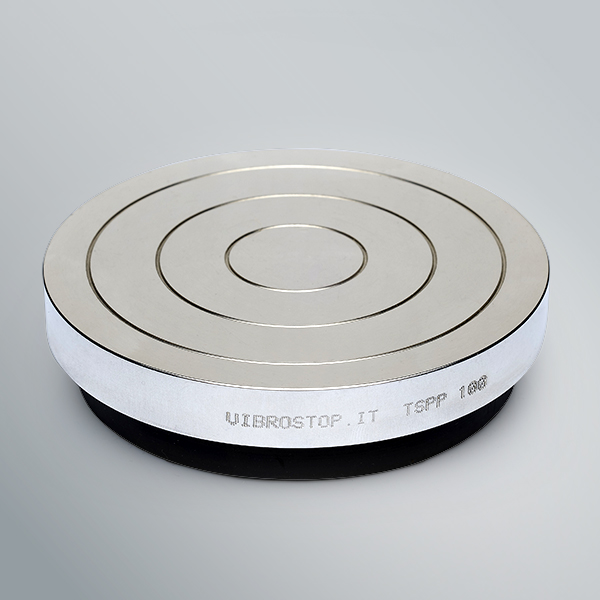
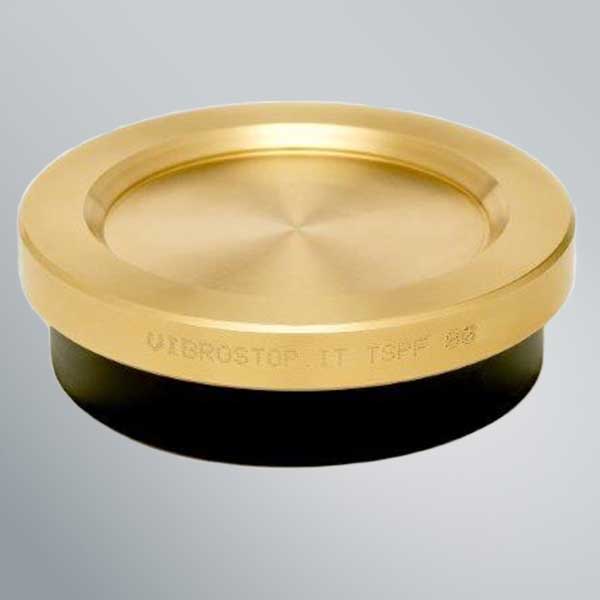
Depending on load requirements and fixing configurations, the following solutions may be adopted:
This website uses cookies to improve your experience while you navigate through the website. Out of these, the cookies that are categorized as necessary are stored on your browser as they are essential for the working of basic functionalities of the website. We also use third-party cookies that help us analyze and understand how you use this website. These cookies will be stored in your browser only with your consent. You also have the option to opt-out of these cookies. But opting out of some of these cookies may affect your browsing experience.